How Fienta simplified ticket sales for the Kuressaare Street Picnic
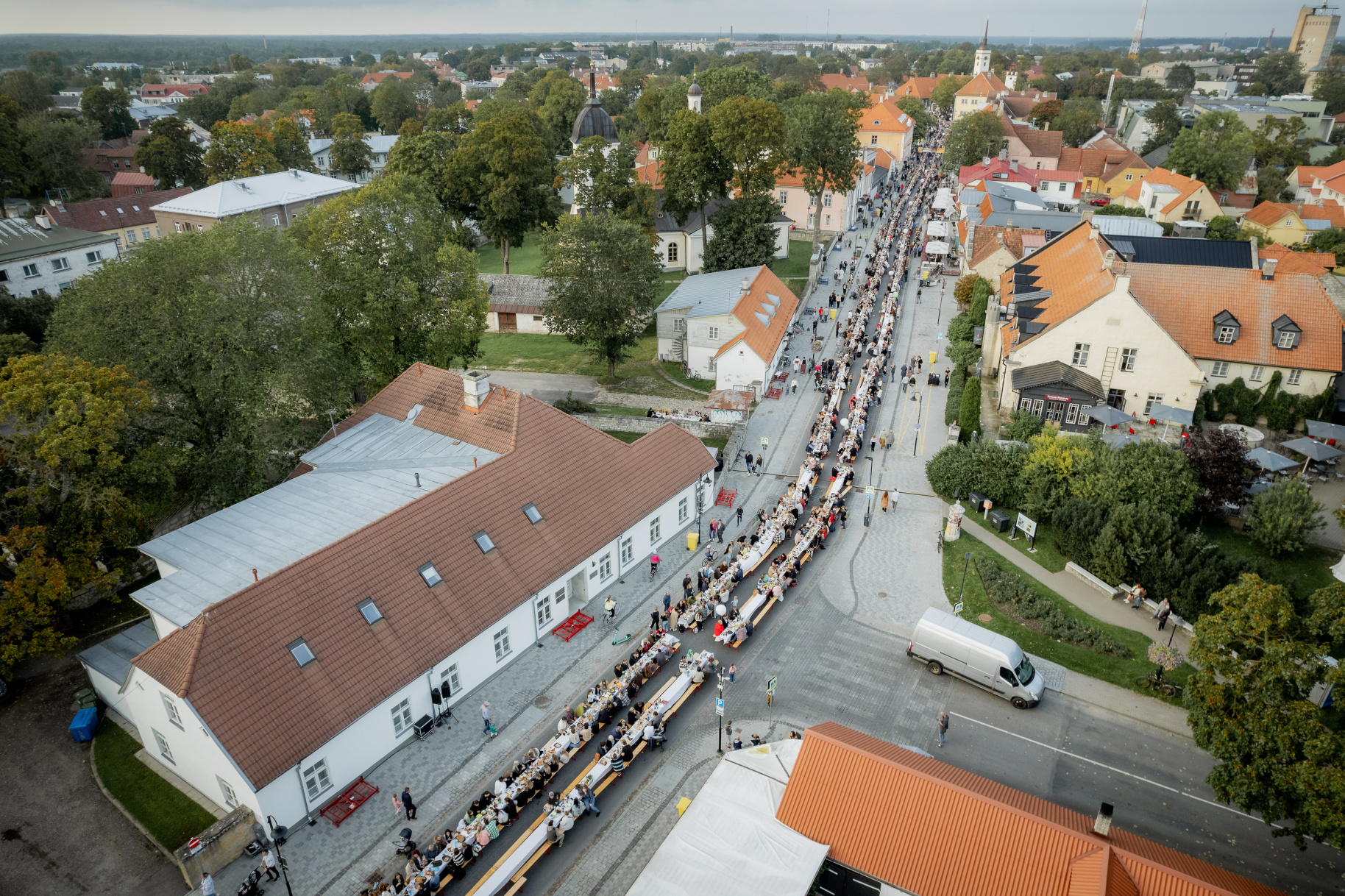
On the second Saturday of September, Saaremaa's best-known annual event, the Kuressaare Street Picnic, took place once again. After the event, Kristina Mägi from the organizing team said "we took a real step forward by organizing the street picnic with Fienta this time." Here is what she meant.
What is the history of the Kuressaare Street Picnic?
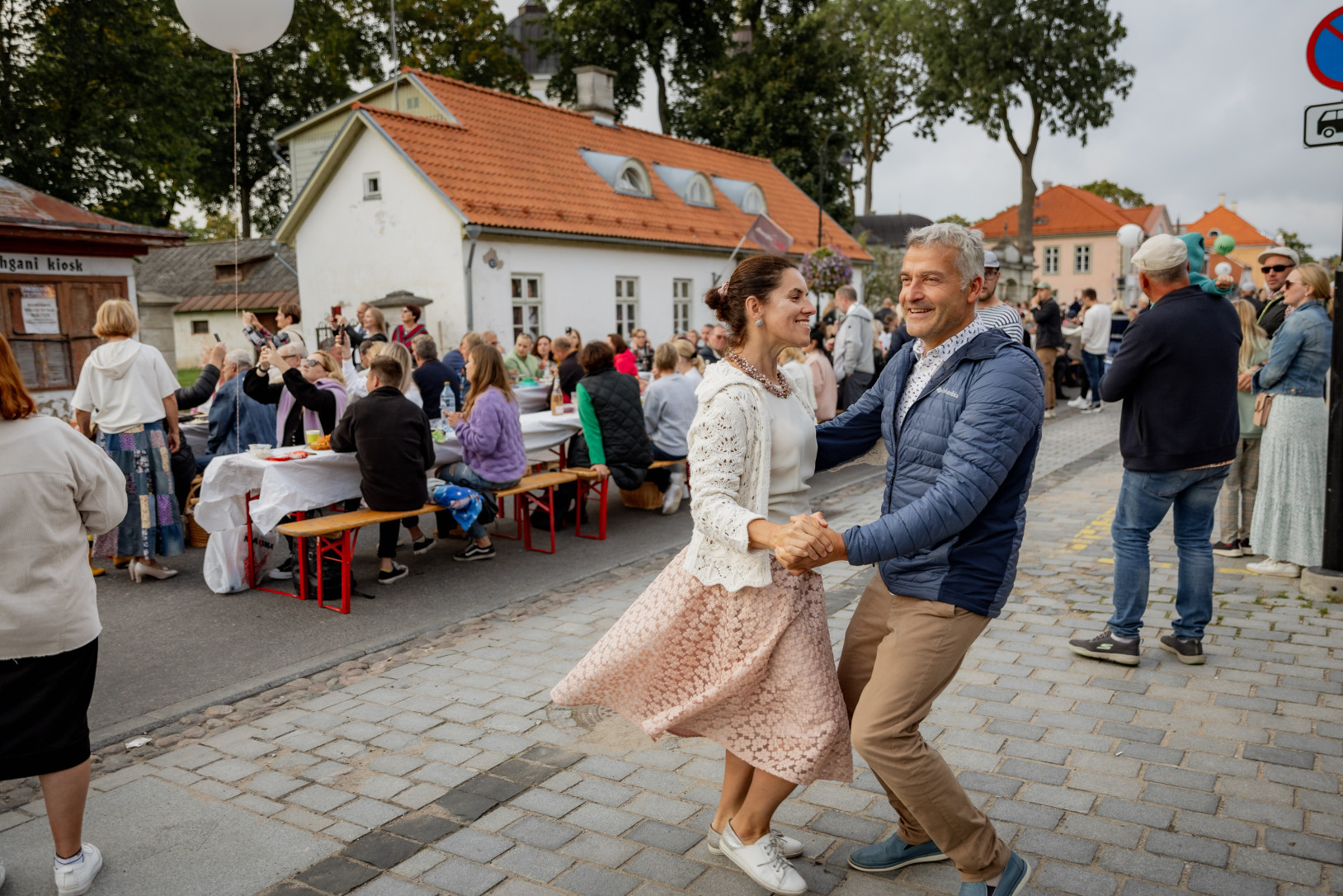
The idea for the street picnic came from Terje Nepper, who once saw a similar event while traveling in France. What she saw there was nowhere near the scale of what Kuressaare hosts today. In the first year, around 750 people attended. Then it grew to 1,500, and it has continued to grow year by year. This year, the event took place for the eighth time, and around 5,500 people attended throughout the day. Although it did not break the 2019 record, attendance was still higher than last year.
What did you do differently this time?
Previously, the event had been free and supported by voluntary donations. This year, the organizers debated whether to make it a paid event, but eventually decided to charge a symbolic fee. The hope was that even a small price would make people take their reservations more seriously. In earlier years, quite a few booked tables were left empty on the day of the event. This time, the price was one euro per person, or eight euros for an eight-person table. There were 490 tables available, and in the end they did not even need to put all of them out.
Could the ticket price have been higher?
In terms of covering organizational costs, yes, it could have been higher. But the organizers did not want to turn the street picnic into an expensive event, because that would have changed its original spirit. It is still meant to be an end-of-summer celebration for everyone, bringing together current and former Saaremaa residents, friends from the mainland, foreign visitors, and many others.
How did people know when to come and buy tickets? Most purchases were made on the first day.
The booking date had always been announced in advance, so people were used to that process. In previous years, the main bottleneck was simply how much could be handled manually in one day. Even before Fienta, a large number of emails usually arrived on the first day, and all tables were typically booked within the first week. Reservations used to be managed by email, with people sending details about how many tables they wanted and where they wanted them, while Kristina entered everything into an Excel sheet. This time, only 10 to 20 people wrote directly in the first few days, and they were then redirected to Fienta to complete their purchase there.
Why did you decide to use Fienta this time?
The simple answer was scale. The event had grown too large to manage manually. Because the organizers wanted to charge a symbolic fee for reservations, they also needed a way to handle invoicing and payment checks. Managing all of that themselves no longer seemed realistic. They considered several ticketing platforms, but many providers backed out when they realized this was not a traditional theatre seating plan, but a street map where each table had to appear in the correct place.
Creating the street plan in the seating system was an exciting challenge
First, the organizers needed to create a scale base plan and then place the tables as dots in exactly the right positions along the street. In earlier years, the first 30 minutes after the start of the picnic were always stressful, because the organizers worried whether every reservation matched up, whether there would be extra tables, or whether someone might be left without one. Manual bookings by email naturally created room for mistakes. With Fienta, people could choose the exact location and number of tables they wanted, which removed a large part of that stress.
Were there any setbacks in changing the old system?
There was one technical issue that no one had fully anticipated: some buyers understood each dot on the plan as an individual seat rather than a table. Kristina had worked with the layout for years and instinctively understood that one square or dot meant one table, but buyers in a hurry did not always make the same connection. Because tables usually sell out quickly, some people rushed through the booking flow and did not notice that they were selecting multiple tables instead of seats, which meant a few of them paid much more than intended.
Even three days before the picnic, a small number of bookings were still being made incorrectly, but it remained a minor share of the total. The unnecessary purchases were refunded through Fienta, and people were understanding. Kristina says she did not hear any complaints, either about the refunds or about the event being paid this time.
How did people find their tables? You didn't check tickets on-site, did you?
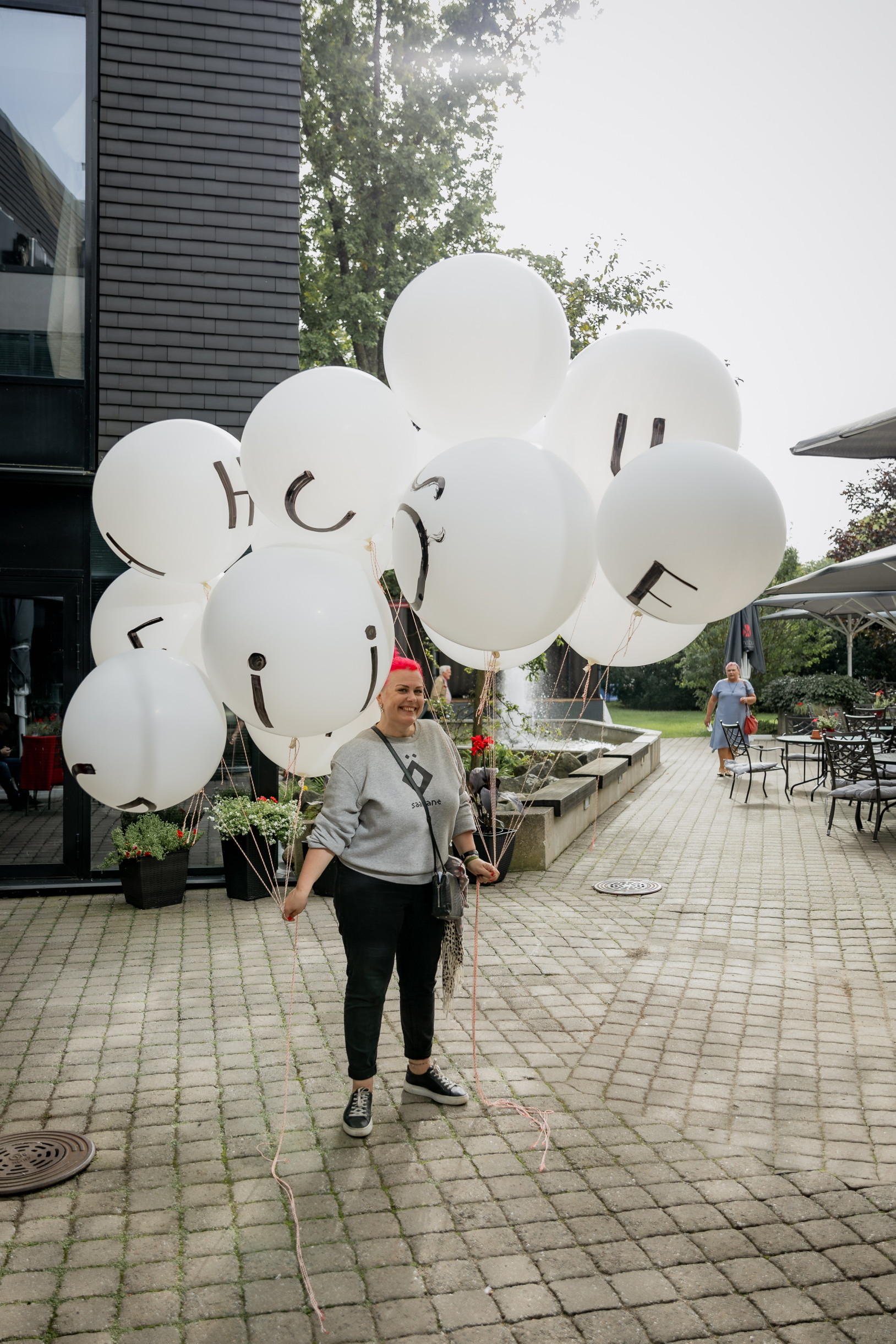
Kristina says she never received information that anyone sat at the wrong table, and if that happened, it was solved on the spot. Many participants had attended before and already knew how the system worked. Tables were arranged in blocks of ten, with each block marked by large balloons labeled A, B, C, and so on. The names of the reservists were placed on the tables, and the table number also appeared on the Fienta ticket. On-site organizers stood under large green "Info" balloons to help anyone who needed directions.
Did you send messages to participants through Fienta as well?
Yes. Kristina sent messages through Fienta several times. Before the event, she shared practical information, such as how to sort waste on-site and how the table blocks were arranged so guests could find their tables quickly. After the event, she sent thank-you messages and a photo gallery to participants.
What did you like the most about Fienta?
The biggest highlight for Kristina was Fienta's fast response time, both while setting up the event and on the first morning of ticket sales. When ticket sales opened at 9 a.m. and the table-versus-seat confusion appeared, the issue was addressed before she had even fully expressed her concern. Fortunately, everything was resolved quickly.
Did the participants bring their own tableware to the picnic?
Yes, and according to Kristina, the tables looked beautiful, with dishes, goblets, candles, and flags. Waste management, however, remained a challenge. Even though participants were reminded by email beforehand and several times on-site that sorting waste was necessary, some people still did not pay attention to where they were throwing things away.
What could be done better next time?
Kristina says she was very satisfied and does not currently see a need to do anything differently. She also notes that it was valuable to collect new newsletter subscribers through Fienta. In her view, using Fienta for the street picnic really did move the event forward, and the collaboration was a pleasure.
Do you have any good advice for other organizers of large public events?
Kristina encourages other organizers to take the step. In her experience, everything was easier and went more smoothly than she had expected, and looking back, she wonders why they had not made the change earlier.
Thank you! We are very pleased that you came to us, and we are honored that you used Fienta for booking tables and ticket sales for the Kuressaare Street Picnic.
Photos: Valmar Voolaid