Fienta success story: building a fairer ticketing platform
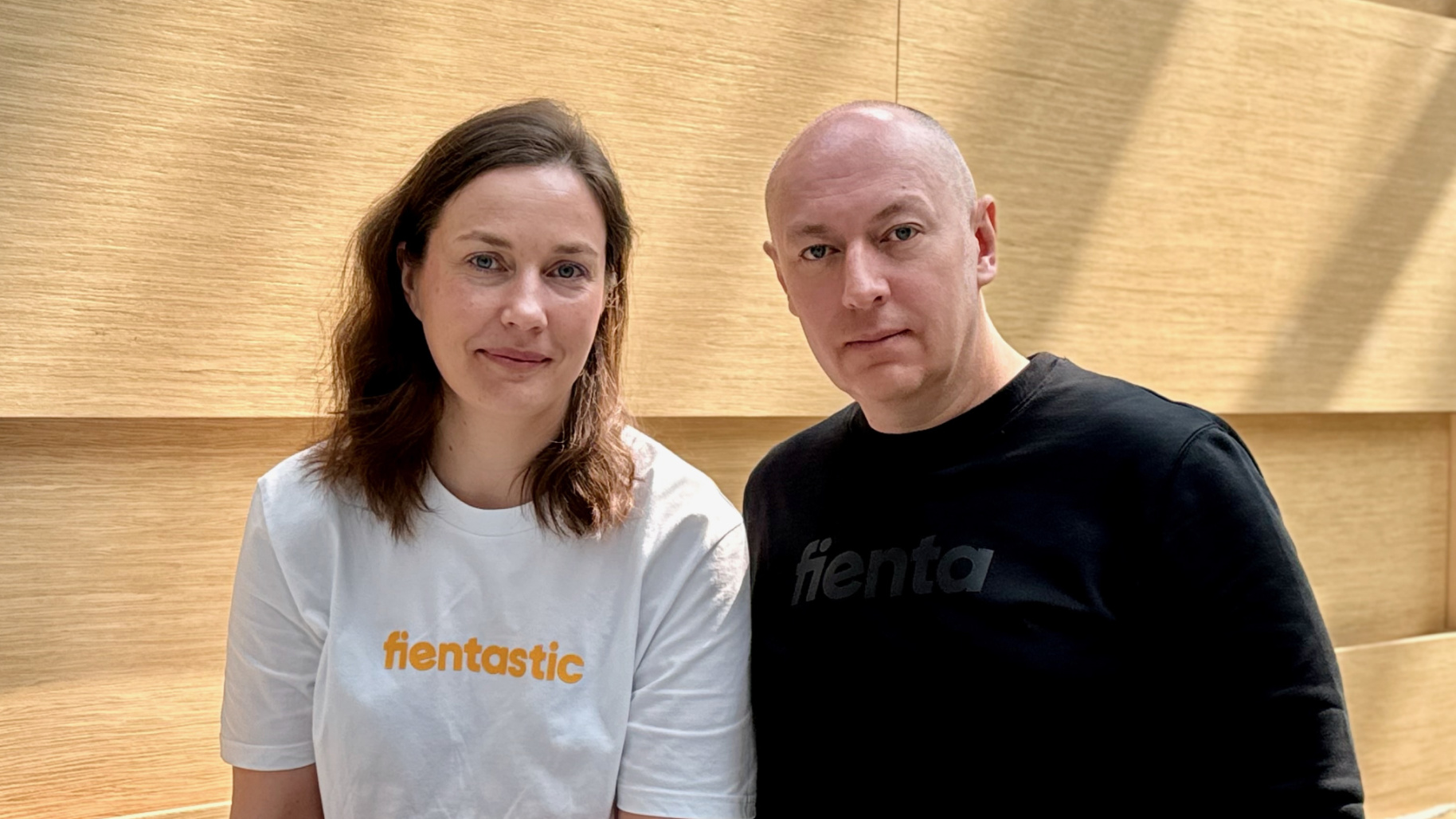
In a highly competitive ticketing market, Fienta has shown that transparent pricing, personal customer support, and a self-service platform can build a strong and sustainable business. On Äripäev’s radio show "Fast and Furious," Fienta founder and CEO René Lasseron and COO Liina Amon shared the company’s story, values, and long-term vision.
A Platform Born from Need and Passion
Fienta’s story began with a need among creatives — the team is made up of musicians and event organizers who personally experienced how challenging it can be to sell tickets for smaller events. So they created a platform that was exactly what they themselves, as organizers, would want to use. Initially built to meet the needs of friends and acquaintances, the ticketing software gradually evolved into something much larger.
Strong Values and Fair Pricing
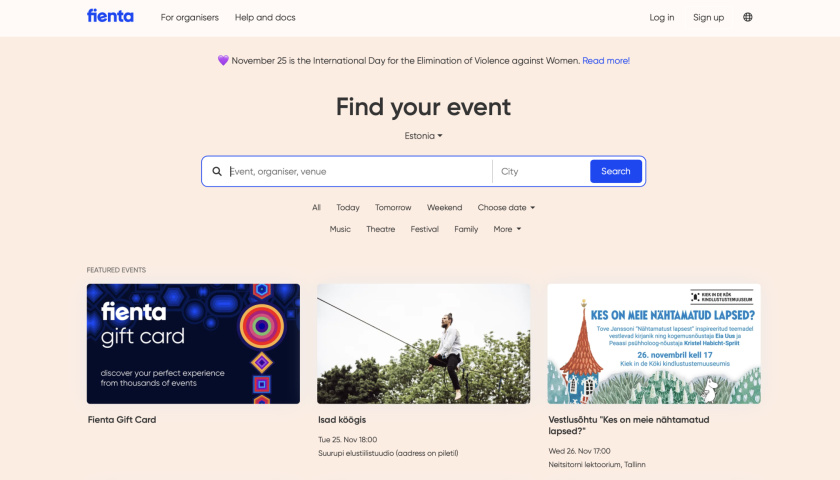
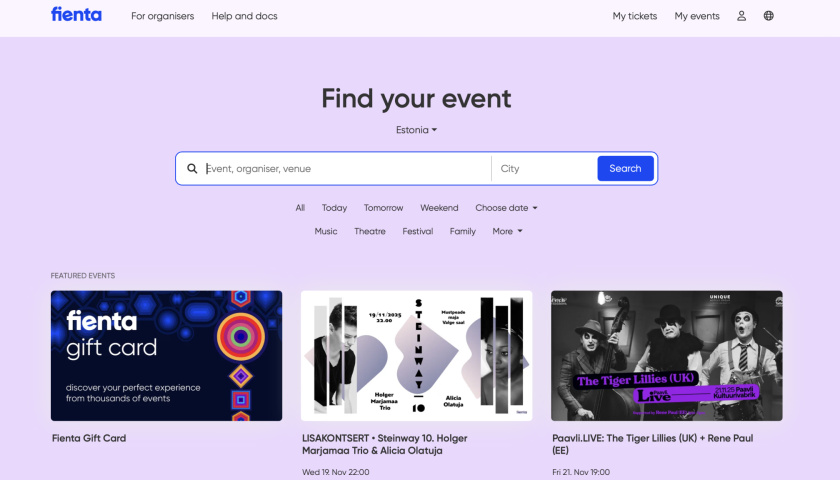
One of Fienta’s clearest differentiators is that ticket buyers do not pay extra fees at checkout, even though that is common on other platforms. The decision was driven less by business theory and more by principle: “If a ticket costs 15 euros, it shouldn’t become 16.50 at the register,” says René. Instead, the service fee is paid by the organizer, where it can be treated as a transparent and predictable cost.
Full Self-Service and Growth Without External Capital
Fienta is built on a self-service model: organizers can create an account, add their event, and start selling tickets right away. That has been a major advantage when expanding internationally, where users value simplicity, ease of use, and the ability to get started without delay.
Fienta has grown without outside investment. In the early years, the founders relied on their own savings and handled everything themselves. The result is a platform that has expanded steadily while keeping a strong focus on user experience and product quality.
Customer-Centric Approach and Word-of-Mouth Marketing
The Fienta team is small but highly involved. Every client, whether large or small, receives personal attention. As a result, much of the company’s growth has come through recommendations rather than aggressive sales tactics. There is no large marketing budget behind it; resources are used carefully and deliberately.
Global Reach Through Simplicity and Localization
Fienta tickets have been sold in more than 70 countries, including Japan, Iceland, Barbados, and the Azores. New clients often discover the platform through Google searches or recommendations from people who have already used it.
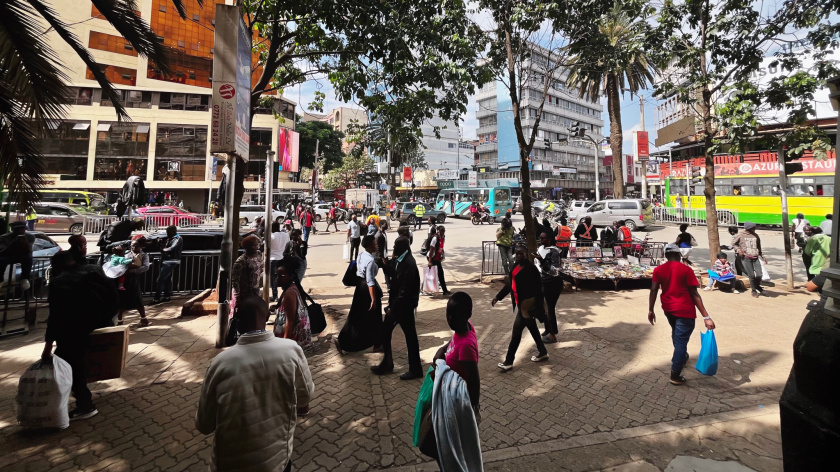
International growth has also been supported by localization: Fienta supports nearly 30 languages, multiple currencies, and local payment methods. The company continues to explore new markets, including East Africa, where countries such as Kenya show strong long-term potential.
Flexible Work Structure and Strong Team Culture
Fienta has no physical office, and the entire team works remotely. That was a deliberate decision that also makes it easier to attract international talent in the future. Trust and flexibility are central to the culture: the workday can start with a workout or a walk and continue later in the evening if needed. This approach supports well-being and helps reduce burnout.
Technological and Cultural Challenges
Operating in international markets requires sensitivity to cultural differences. In some countries, for example, people prefer phone calls over email. Fienta adapts accordingly. The team must also stay focused on payment fraud, technical scalability, and localization as the platform grows.
Slow Development, Fast Growth
Fienta has consciously followed a strategy of "slow development." The focus has always been on what customers actually need rather than on trends for their own sake. Careful prioritization and constant feedback have helped shape a product people genuinely recommend. Even with that deliberate pace, Fienta’s revenue and profit have multiplied in recent years.
Vision: Fee-Free Ticketing and the #2 Choice in Europe
Fienta aims to make ticketing fairer by removing extra fees for buyers and treating transparency as the standard. Its long-term vision is to become the second most popular ticketing choice in Europe after Eventbrite. At the same time, the company wants to preserve the work style, team spirit, and personal approach that helped it grow.
Fienta shows how a values-driven approach, practical technology, and personal communication can grow an international company without outside investors or a traditional office setup.
The original interview is in Estonian and aired on Äripäev’s 'Fast and Furious' radio show